
News and Policies
Yantai lands China's first large-scale cross-border e-commerce return hub
Updated: Aug 25, 2026
chinadaily.com.cn
Print
Share - WeChat

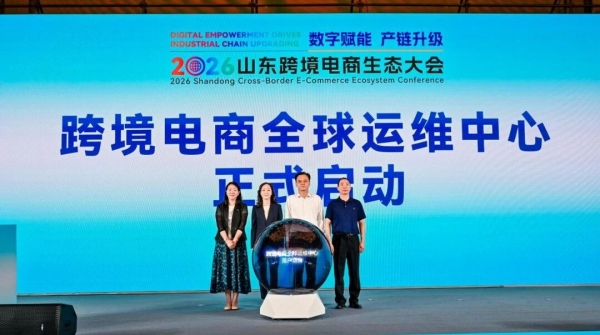
Alibaba International Digital Commerce Group and Yantai launch China's first large-scale cross-border e-commerce returns hub on Aug 20. [Photo/WeChat account: ytrb-shcj]
Alibaba International Digital Commerce Group and Yantai have unveiled the Cross-Border E-Commerce Global Operations Center in Yantai's Huang-Bohai New Area — China's first large-scale cross-border e-commerce reverse logistics hub, turning a decade-old industry liability into a strategic asset.
The hub addresses a long-standing challenge in cross-border e-commerce: return cycles of 20 to 40 days, with logistics and customs costs often exceeding product value. After years of exploring major ports nationwide for a viable large-scale reverse logistics solution, Alibaba chose Yantai.
Yantai's location gives it an edge. As China's gateway to Japan and South Korea, it offers overnight sea routes to South Korea and 40 weekly all-cargo flights to Japan and South Korea.
When customs policy opened for cross-regional returns in early 2026, Yantai was ready. Working with customs, the city streamlined clearance processes and built a digital platform that slashed return times to under seven days — an 80 percent efficiency gain.
The hub is not reserved for Alibaba's exclusive use. AliExpress, TikTok Shop, eBay, and others can make use of it as well. Initially focused on returns from South Korea, the hub can process 1,500 to 2,000 parcels daily. Once it expands to global markets, the annual value of returns handled for AliExpress alone is projected to exceed 2 billion yuan ($280 million).
With this launch, Yantai has become the first Chinese city to operate a large-scale cross-border return center, according to the municipal government. Officials say the hub is expected to attract more e-commerce platforms and related businesses to the area, with the long-term goal of building a two-way trade channel between China and global markets.