
News and Policies
Jiangnan Silk and Bamboo Music keeps Taicang's cultural memory alive
Updated: May 27, 2026
chinadaily.com.cn
Print
Share - WeChat

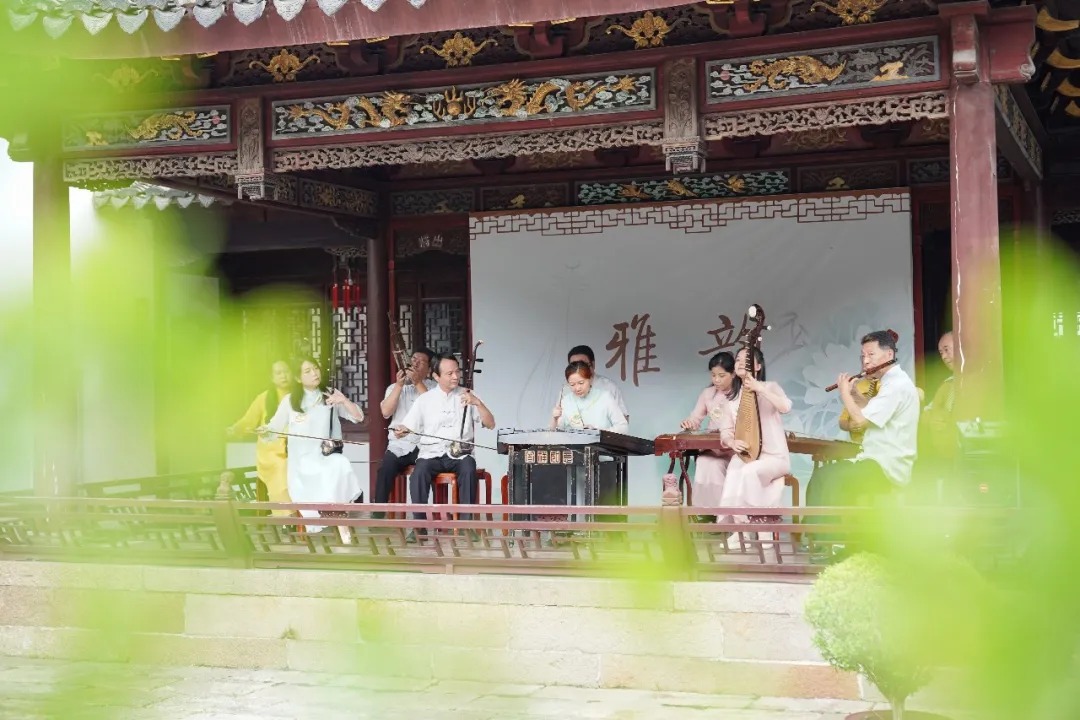
A Jiangnan Silk and Bamboo Music performance. [Photo/WeChat account: tcfbgw]
In 2006, Taicang achieved a landmark recognition when Jiangnan Silk and Bamboo Music was inscribed on China's first National Intangible Cultural Heritage list, with the city serving as the lead applicant.
Once on the verge of fading, Jiangnan Silk and Bamboo Music faced challenges typical of many intangible heritage traditions, such as scattered musical scores, aging inheritors and a shrinking pool of young performers. In response, Taicang launched preservation efforts in the 1990s, led by local cultural institutions and dedicated musicians who traveled through villages to collect, record and transcribe melodies that had been passed down orally for generations.
This grassroots effort helped rebuild a solid foundation for documentation and living practice. Over the past two decades, preservation efforts have evolved into a revival. Today, Taicang boasts 49 registered performance groups dedicated to Jiangnan Silk and Bamboo Music, with increasing participation from younger generations. Many performers now reinterpret traditional scores with personal artistic expression, infusing the ancient genre with renewed vitality.
The city's flagship performance competition has been held for 21 consecutive editions, attracting more than 20 teams annually and reaching 32 teams in recent years.
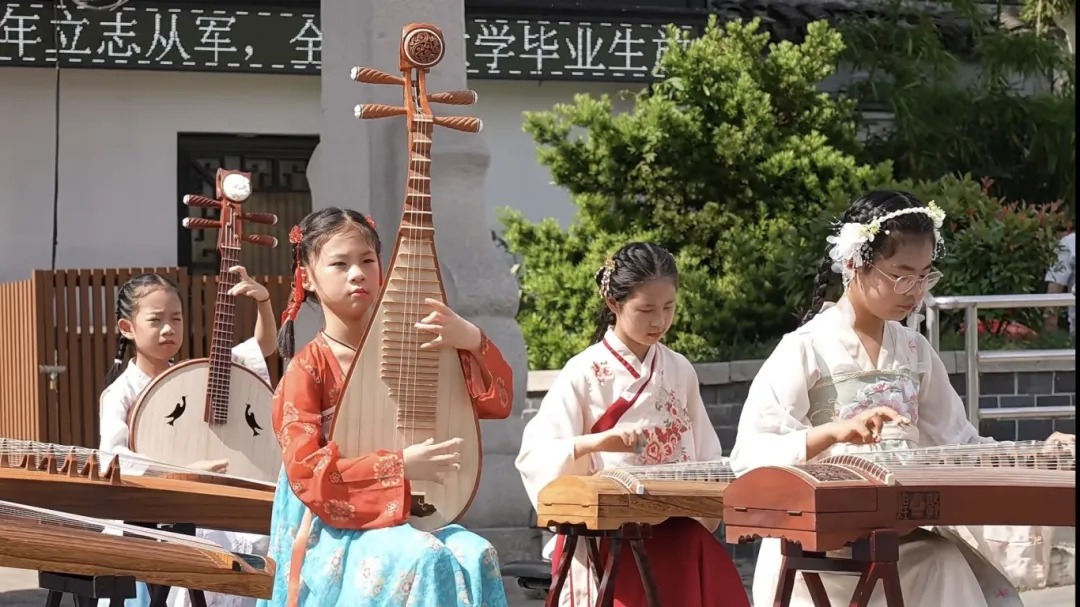
A Jiangnan Silk and Bamboo Music performance. [Photo/WeChat account: tcfbgw]
Beyond competitions, Taicang has built a broader cultural ecosystem. Seasonal performance series, community concerts, school outreach programs, and regular public events have brought the music into everyday life. A dedicated Jiangnan Silk and Bamboo Music Hall, one of the largest in the Yangtze River Delta region, now serves as a hub for performance, education and cultural exchange.
The tradition has also gained international visibility. The Wuyang Silk and Bamboo Ensemble, founded in 1994, has toured Europe.
The city is now expanding digitization efforts, strengthening transmission among young people, and integrating heritage with tourism and creative industries, ensuring that its centuries-old sound continues to evolve while staying rooted in history.