


Yili Grassland Dairy Culture Museum
The Yili Grassland Dairy Culture Museum is the only museum in China dedicated to showcasing the evolution of dairy culture.

Baotou Museum
The Baotou Museum is a comprehensive cultural institution that showcases the rich human heritage and the evolution of civilization in western Inner Mongolia.

Hulunbuir Museum
The Hulunbuir Museum is a comprehensive cultural institution with four distinct branches: the Hulunbuir Historical Museum, the Hulunbuir National Museum, the Hulunbuir Museum of Natural History, and the under-construction Inner Mongolia Mongolian Origin Museum.

Alshaa Museum
Established in 1997, the Alshaa Museum is a comprehensive institution that emphasizes history and art, combining collection, exhibition, research, public education, and cultural exchanges.

Inner Mongolia Museum of Natural History
The Inner Mongolia Museum of Natural History is the autonomous region's first large-scale, comprehensive natural history museum.

Hohhot Museum
The Hohhot Museum oversees six distinct museum venues, each with unique features and historical significance.

Laoniuwan Yellow River Grand Canyon Tourist Area, Inner Mongolia autonomous region
The Laoniuwan Yellow River Grand Canyon Tourist Area in the Southwest of Qingshuihe county, Hohhot, capital of North China's Inner Mongolia autonomous region, spans 9.5 square kilometers
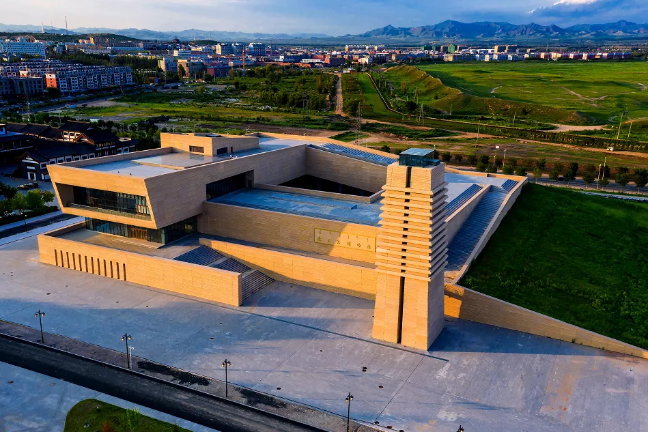
Liao Dynasty Shangjing Museum
The Liao Dynasty Shangjing Museum holds a collection of 113,885 items, of which 57 are designated as national first-class items.
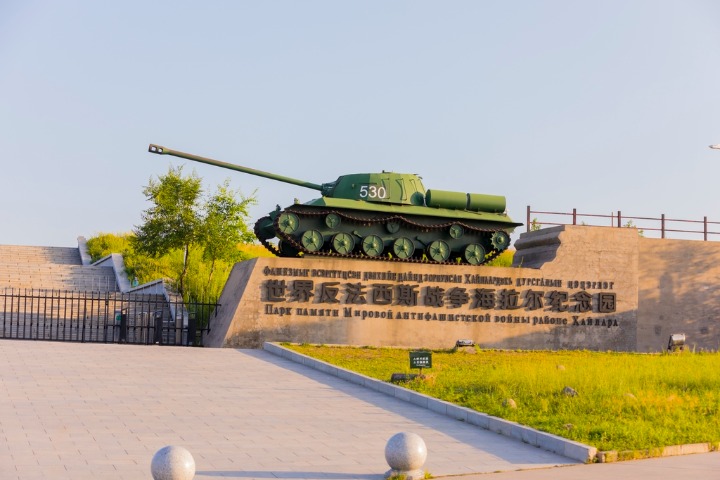
The Hailar Memorial Park of the World Anti-Fascist War, Inner Mongolia autonomous region
Designated as a national 5A-level war memorial park (often called “war-themed park” in China), the Hailar Memorial Park of the World Anti-Fascist War in Hulunbuir, Inner Mongolia autonomous region, covers a total area of 110 hectares.
